

 ER
ER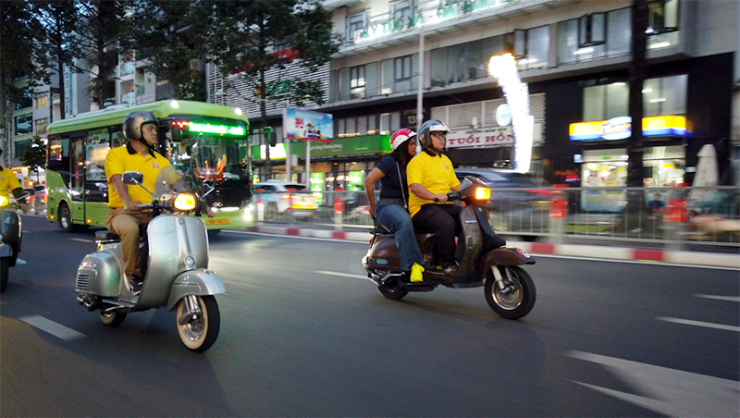

TRAVELING to Southern Vietnam offers a fascinating blend of history, culture, cuisine, and modern development. From the heritage-rich Chinatown district to the Cu Chi underground tunnels—silent witnesses to wartime struggles—and the cultural destinations of Binh Duong that showcase art and spirituality, every location provides a unique and memorable experience.
Through a combination of historical, cultural, culinary, spiritual, and creative industry tourism, Ho Chi Minh City and Binh Duong offer a comprehensive travel experience. Each destination tells a unique story, reflecting Vietnam’s rich heritage alongside its transformation into one of Southeast Asia’s most dynamic economic and cultural hubs.
1. Chinatown
Chinatown is the largest and oldest Chinese quarter in Vietnam, having developed since the 18th century. This area serves as the hub for the ethnic Chinese community, which has played a pivotal role in the trade and economic growth of Ho Chi Minh City.
While exploring its alleys, visitors can discover well-preserved colonial buildings, traditional medicine shops, teahouses, ancient temples, and a variety of authentic Chinese-Vietnamese culinary delights. The vibrant and colorful atmosphere makes Chinatown an ideal destination for understanding the cultural diversity that shapes the face of the modern city today.
2. Cho Binh Tay Market in Chinatown
Located in the heart of Chinatown, Cho Binh Tay Market is one of the largest wholesale markets in Ho Chi Minh City. Built in the early 20th century with architecture that fuses Chinese and French styles, the market serves as a distribution hub for a wide range of goods—from textiles, spices, and dried foods to traditional handicrafts.
The center of the market features an open-air garden that creates a pleasant atmosphere amidst the bustling commercial activity. A visit to this market offers the chance to witness authentic local life and the dynamics of trade that have endured for generations.
3. Thien Hau Temple
Thien Hau Temple is one of the oldest and most revered temples in Ho Chi Minh City, boasting a history that spans over two centuries. Dedicated to Thien Hau—the Goddess of the Sea and patron deity of sailors and merchants—the temple serves as a spiritual hub for the Chinese community in the Chinatown district.
Visitors are greeted by the distinctive aroma of incense, intricate wood carvings, and giant spiral incense coils hanging from the temple ceiling. Beyond its role as a place of worship, Thien Hau Temple reflects the rich cultural heritage and long history of the Chinese community in Southern Vietnam.
4. Ben Thanh Market
Ben Thanh Market is Ho Chi Minh City’s most famous tourist landmark and has stood as a symbol of the city for over a century. The market offers a wide array of local products, ranging from handicrafts, textiles, Vietnamese coffee, and spices to unique souvenirs. In the food section, visitors can sample popular Vietnamese dishes such as *pho*, *banh mi*, and fresh spring rolls.
At night, the area surrounding the market transforms into a bustling night market with a lively atmosphere, making it the perfect place to experience the city’s dynamic energy.
5. Pho Museum
The Pho Museum offers a fascinating opportunity to delve into the history and philosophy behind *pho*, the noodle soup dish that has become a global symbol of Vietnamese cuisine. The museum showcases the evolution of *pho* from a humble folk dish into a national gastronomic icon.
In addition to viewing collections of artifacts and historical documents, visitors can participate in interactive cooking classes to learn how to craft a flavorful *pho* broth using traditional recipes. A visit to the museum provides a cultural and culinary experience that enriches one’s understanding of Vietnamese identity.
6. Vespa Tour
The Vespa Tour offers a unique and enjoyable way to explore Ho Chi Minh City aboard the iconic classic Vespa scooter. Guided by experienced local drivers, participants are taken through both the city’s main thoroughfares and its hidden corners—spots rarely discovered by the average tourist.
The journey typically includes visits to street food hubs, local hangout spots, and historical landmarks, as well as vibrant nightlife districts. These experiences allow visitors to immerse themselves in the energy and rhythm of life in Ho Chi Minh City from a unique perspective.
7. River Cruise
A cruise along the Saigon River offers the chance to enjoy the city skyline from a more relaxed and elegant vantage point. As the boat sails, passengers can witness the striking contrast between modern skyscrapers, historic areas, and the daily lives of people along the riverbanks.
Some cruise packages also offer dinner accompanied by traditional Vietnamese performances, creating a romantic and memorable experience. Watching the sunset over the Saigon River is a favorite activity for visitors to the city.
8. Cu Chi Tunnels
The Cu Chi Tunnels are a network of underground passages stretching over 200 kilometers, making them one of Vietnam’s most significant historical sites. During the war against the United States, Vietnamese forces used these tunnels for communication, shelter, medical care, and logistics storage.
Visitors can enter sections of the underground network and view the various facilities that supported life underground during the war. A visit to Cu Chi offers profound insight into the resilience, ingenuity, and fighting spirit of the Vietnamese people as they faced historical challenges. [sources/photo special]