

 ER
ER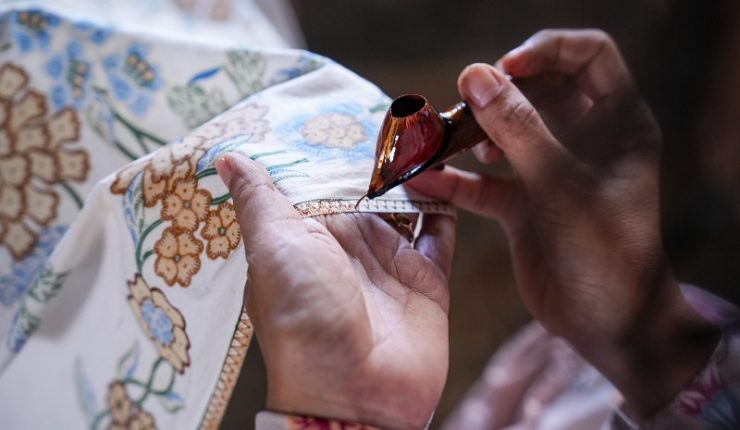

THE ASSOCIATION of Indonesian Travel Agencies (ASITA) is collaborating with various stakeholders to develop and promote batik tourism across several regions in Indonesia.
According to ASITA Chairperson Rusmiati told ANTARA in Jakarta on Wednesday (9/30), 2026 said in principle, the association continues to build collaborations with the Ministry of Tourism and various tourism stakeholders to develop and promote Indonesian tourism products.
“Batik is a key component of cultural tourism and creative economy promotion that can be developed through synergy between the government, associations, the industry, and the community,” she said.
ASITA is prepared to encourage its member travel agencies and tour operators to incorporate this cultural asset into tourism products that generate economic benefits for the community.
She believes batik can be packaged into experience-based tourism offerings, such as visits to batik centers, workshops on making batik, meetings with artisans, and opportunities to purchase local batik products.
“In this way, tourists gain an experience, while the economic benefits are felt directly by MSMEs and the local community,” Rusmiati affirmed.
Batik tourism holds immense potential because batik is not merely a cultural product but also an integral part of the tourism experience. Batik can be developed into a cultural tourism experience that connects tourists with history, production processes, creativity, culinary delights, and the lives of local communities.
Furthermore, current tourism trends are increasingly shifting toward experiential tourism, where travelers try out and directly engage in activities. Therefore, compelling batik tourism packages should go beyond mere sightseeing or shopping; they should include hands-on batik making, learning about the philosophy behind the motifs, visiting artisan centers, and integrating these experiences with local cultural and culinary destinations.
“ASITA members in various regions can develop packages tailored to their respective local potential,” Rusmiati said. The regions she recommends for tourists interested in learning about batik include Yogyakarta, Solo, Pekalongan, Cirebon, and Lasem, as well as various areas in East Java and Sumatra—including South Sumatra, with its wealth of traditional fabrics and distinctive motifs,” she noted.
Each region possesses unique characteristics, motifs, philosophies, and production processes. This cultural diversity serves as a strength for Indonesia in developing batik tourism.
ASITA continues to actively promote Indonesia as a cultural destination, highlighting batik as a key part of the nation’s cultural heritage.
ASITA’s commitment to promoting batik is also demonstrated through the use of batik-patterned national uniforms at various official organizational events, at both national and regional levels.
Rusmiati views this initiative as an expression of pride and an effort to introduce batik—as an Indonesian cultural identity—to the general public and international tourism partners alike.
“We must treat the momentum of National Batik Day not merely as an occasion to wear batik, but also as an opportunity to encourage tourists to visit, learn, experience, purchase, and help preserve Indonesian batik,” Rusmiati concluded. [antaranews]