

 ER
ER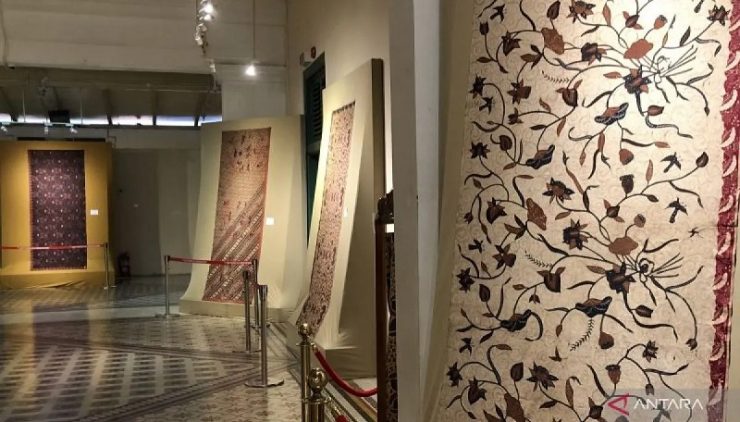

THE EXISTENCE of every piece of batik fabric is inextricably linked to the social and cultural journeys of communities across Indonesia. However, changing times have impacted batik traditions; styles that once enjoyed a golden age now await rediscovery by the wider public.
Batik has become an integral part of the national identity, deeply embedded in the lives of the Indonesian people. While certain types of batik remain widely known and frequently used, others struggle to survive in the shadow of their past glory—a fate shared by the batik traditions of Kudus, Demak, and Banyumas.
The batik traditions of these three regions have experienced ups and downs, eventually losing the popularity they once enjoyed.
Mutiara Zahwa Nauli Siregar, a Junior Curator at the Textile Museum, noted that Kudus, Demak, and Banyumas were once active centers of batik production. However, their golden age began to fade due to a significant decline in production between the 1960s and 1980s—a slump driven by shifting market dynamics and waning interest among the younger generation.
A lack of new artisans, changing lifestyles, evolving tastes, and various socio-economic factors have all influenced the sustainability of these batik traditions.
“We need to reintroduce these struggling batik styles because, ultimately, they remain part of our national identity, possessing a beauty that is just as captivating to the eye and the heart,” said Zahwa in Jakarta.
The diversity of batik traditions across various regions means that every piece of fabric and every motif preserves traces of history, creativity, and the lives of the people of their time. Consequently, reintroducing them to the public is one way to keep that legacy alive.
The exhibition features a collection of 60 pieces—comprising 3 from Demak, 15 from Kudus, and 42 from Banyumas—representing the Textile Museum’s effort to reintroduce the rich batik traditions of these three regions, which are currently not widely known to the general public.
A selection of batik pieces displayed at the “Jejak Keindahan: Batik Kudus, Demak, and Banyumas” exhibition at the Textile Museum, Jakarta, in observance of National Batik Day 2026. (ANTARA/Sri Dewi Larasati)
Most of the pieces are hand-drawn batik (batik tulis) from the Textile Museum’s existing collection. Batik from Kudus, Demak, and Banyumas is characterized by stylized natural motifs, typical of coastal (pesisir) batik styles.
Kudus batik is characterized by large, bold motifs set against backgrounds rich in intricate isen-isen (filler patterns). The displayed collection includes Kain Panjang (long cloths)—hand-drawn cotton pieces in the Kudus style—featuring motifs such as aquatic plants, kyai janggar, and beras mawur. Also on display is a Kain Panjang Pagi Sore Sore Bolak-Balik (a dual-patterned cloth) featuring motifs of floral bouquets, birds, butterflies, and sisik ulo (snake scales).
Demak batik exhibits coastal characteristics blended with stylized floral elements. One of the pieces on display is a *Kain Panjang Pagi Sore*—a hand-drawn cotton cloth featuring scattered floral motifs (susymoyo lungkembang ukel tapaitik), ceplok nitik patterns, and isen semarangan details.
Meanwhile, Banyumas batik is distinguished by its strong character, featuring bold lines and distinct motifs. The exhibited collection includes Kain Panjang (long cloths) made of cotton featuring lung-lungan (vine) and bird motifs set against andang mukti and ukel backgrounds. Additionally, there are Kain Panjang pieces featuring hand-drawn (tulis) batik with Buketan Tambal motifs.
“These three regions show strong Islamic influence, as the batik traditions there were pioneered by renowned Indonesian Muslim figures—such as Sultan Agung in Kudus, Sunan Kalijaga in Demak, and even Najendra, a follower of Prince Diponegoro who settled in Banyumas,” said Zahwa.
Sri Kusumawati, Head of the Art Museum Management Unit at the DKI Jakarta Provincial Culture Agency, stated that preserving batik at the Textile Museum requires more than just maintaining the physical fabric.
Knowledge regarding the makers, regions of origin, techniques, motifs, coloring, functions, and the cultural stories behind the textiles must also be documented. Through these efforts, the museum can serve as a space that connects the heritage of the past with contemporary batik developments and future generations.
The exhibition “Traces of Beauty: Batik from Kudus, Demak, and Banyumas” serves to reconnect the public with batik collections from these regions while fostering dialogue about their history, aesthetic appeal, and future sustainability.
“Although their heyday may have passed, the legacy of craftsmanship, creativity, and cultural value embodied in these pieces remains alive today,” Sri said in Jakarta.
National Batik Day serves as a reminder that batik is more than just fabric or clothing; it is an integral part of Indonesia’s identity and cultural heritage. Through the “Traces of Beauty: Batik from Kudus, Demak, and Banyumas” exhibition, the Textile Museum aims to educate the public, hoping to revitalize these batik styles and restore their former widespread recognition.
After all, the survival of batik depends on a public that appreciates, understands, and wears it. Come and discover the allure of batik from Kudus, Demak, and Banyumas at the “Traces of Beauty” exhibition, running at the Jakarta Textile Museum until November 2, 2026. [antaranews]