

 ER
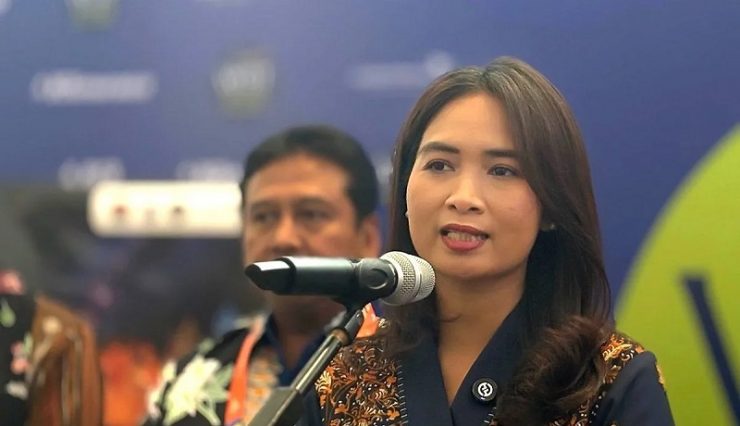

THE MINISTRY of Tourism has proposed that the division of roles between the central and regional governments in the development of tourism destinations be clarified during the revision of the laws concerning the provinces of West Nusa Tenggara (NTB) and East Nusa Tenggara (NTT).
Deputy Minister of Tourism Ni Luh Puspa stated that a clear division of authority is essential to ensure that destination development proceeds effectively, without overlapping responsibilities between ministries and regional governments.
“Defining the roles and authority between ministries and regional governments is crucial for effective destination management and to prevent overlapping duties,” Ni Luh said during a working meeting with the Legislation Body of the House of Representatives (DPR RI) in Jakarta on Monday (11/16), 2026.
She explained that the development of tourism destinations in NTB and NTT involves various stakeholders with distinct mandates. For instance, the management of national parks falls under the purview of the Ministry of Forestry, while the Ministry of Tourism focuses on the development of tourism destinations.
“We propose that the bill clarify the role of regional governments in destination development, without encroaching upon the central government’s authority over national parks,” she said.
To strengthen coordination, the Ministry of Tourism also proposes the establishment of a regular coordination forum involving both ministries and regional governments. This forum would utilize a unified master plan as a common reference for developing these destinations.
Under this framework, the Ministry of Tourism would act as a director or orchestrator—setting national priority destinations, preparing master plans, and evaluating the implementation of development programs.
Ni Luh further suggested that the distribution of economic benefits derived from destination development should be stipulated in regional regulations. Such regulations would need to clearly account for conservation costs and revenue sources.
“We propose that the distribution of economic benefits be governed by regional regulations, based on clear provisions for conservation costs and revenue,” Ni Luh stated.
According to her, clarity regarding roles and coordination mechanisms is necessary to ensure that tourism development in NTB and NTT aligns with central government policies, while simultaneously providing space for local governments to participate in the management of destinations. [antaranews/photo special]