


 ER
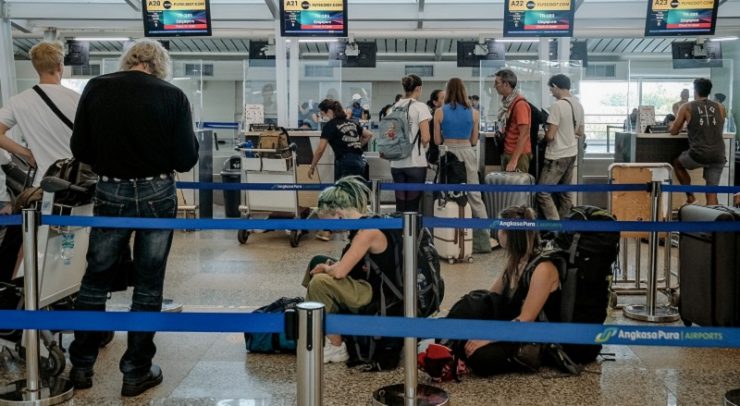

THE MINISTRY of Tourism has raised concerns regarding the risk of redundant levies for foreign tourists should such a policy be implemented in West Nusa Tenggara (NTB) and East Nusa Tenggara (NTT), given that visitors to these regions may have already paid a similar fee in Bali.
Deputy Minister of Tourism Ni Luh Puspa stated that foreign tourists entering Indonesia via Bali could potentially be charged again when continuing their travels to other destinations, such as Labuan Bajo in NTT or various tourist areas in NTB.
“There is a potential for overlapping levies, which would certainly be detrimental to the image of Indonesian tourism. This requires careful consideration; a feasibility study at the national level is necessary before such measures are implemented in other regions or provinces,” said Ni Luh during a working meeting of the House of Representatives’ (DPR RI) Legislation Body, held in Jakarta on Monday (11/16) with government representatives and the Governors of West Nusa Tenggara (NTB) and East Nusa Tenggara (NTT).
This statement was made during discussions regarding proposed amendments to Law Number 20 of 2022 concerning the Province of West Nusa Tenggara (NTB) and Law Number 21 of 2022 concerning the Province of East Nusa Tenggara (NTT).
One of the topics addressed was the strengthening of regional fiscal capacity, including the potential implementation of levies on foreign tourists—drawing from the policy currently in place in Bali.
Bali currently imposes a levy of IDR150,000 on each foreign tourist, payable via a cashless system through the ‘Love Bali’ application. However, according to information received by the Ministry of Tourism from the Bali Provincial Government, the actual collection has only reached 30 to 40 percent of the target.
Ni Luh emphasized that the experience in Bali should serve as a basis for evaluation before similar policies are adopted elsewhere. She argued that the government must ensure a clear collection mechanism, transparent use of funds, and tangible benefits for tourists—such as improved services and facilities.
“Once they have paid a levy, tourists naturally want to know where that money goes and what is being produced as a result of their payment,” she stated.
To prevent redundant charges, the Ministry of Tourism has proposed a unified payment and reporting system for tourists. The government also needs to establish national standards covering the intended use of funds, fee structures, digital payment methods, and reporting protocols.
Ni Luh added that any determination of fee amounts must be preceded by an assessment of Indonesia’s travel cost competitiveness relative to competing nations, ensuring that such policies do not diminish the appeal of the country’s tourist destinations. [antaranews]