

 ER
ER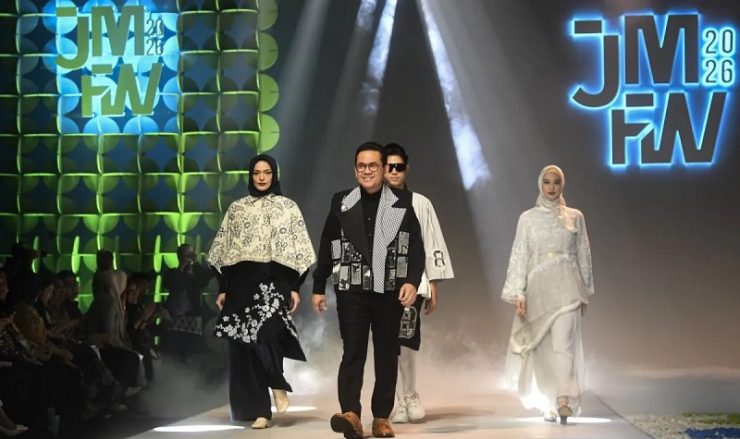

FASHION observer Lisa Fitria believes Indonesia needs to take several steps—chief among them enhancing competitiveness—to further develop its modest fashion industry.
“The potential is immense; Indonesia possesses a relatively comprehensive ecosystem, ranging from designers, modest fashion brands, the textile industry, and traditional fabrics (*wastra*) to the consumer market, the Muslim community, and various activities and groups that support the growth of modest fashion,” Lisa in Jakarta on Tuesday (08/18), 2026.
Lisa, a member of the Indonesian Fashion Chamber (IFC), noted that the opportunities for the modest fashion industry in Indonesia to expand are significant.
This potential is driven by a robust ecosystem and the hosting of various international-scale events centered on the *halal* lifestyle. According to Lisa, the government—through relevant ministries—is also working hard to establish Indonesia as a welcoming destination for Muslims worldwide.
Lisa believes the first priority is to enhance the quality and competitiveness of industry players. This ensures that brands are not only globally competitive but also meet international standards regarding design, product quality, sizing, materials, sustainability, supply chains, promotion, and production consistency.
Perceptions of modest fashion also need to evolve. These garments should be presented not merely as products exclusively for Muslims, but as clothing suitable for universal wear.
Furthermore, Lisa emphasized the importance of international collaboration to help local designers and brands gain access to major events—such as fashion weeks, trade shows, buyer meetings, and international fashion platforms.
“At the same time, our industry must be prepared to accommodate global buyers by maintaining professional production capacities and business standards,” she added.
Indonesia’s fashion industry players are well-positioned to benefit from the rising trend of modest fashion, as they already possess extensive experience in creating modest clothing. “This is also evidenced by the Global Islamic Report, which ranks Indonesia first as a hub for innovation and creativity in the design of Muslim fashion—or modest fashion,” said Lisa.
Furthermore, Lisa noted that young people today are interested in clothing that blends traditional elements with modernity.
This trend could drive increased use of Indonesian traditional textiles (*wastra*) within the fashion industry and generate economic benefits for traditional fabric artisans across various regions.
“So, the direction of development is not merely about creating Indonesian fashion for the international market, but also about creating global fashion with Indonesian DNA,” Lisa concluded. [antaranews]