


 ER
ER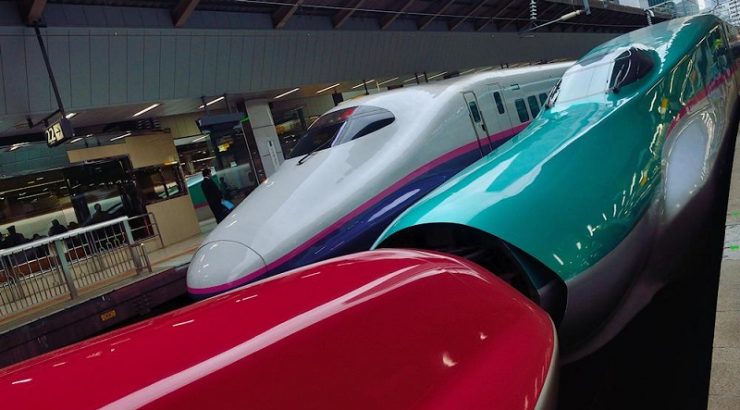

JAPAN’S Shinkansen bullet train operator allocates a number of carriages for passengers working long distances. The company hopes it will increase demand amid the coronavirus pandemic.
Launching the Japanese Broadcasting Company, Nippon Hoso Kyokai (NHK) said the East Japan Railway (JR East) had launched the pilot project on Monday (1/02). Tohoku Shinkansen passengers can talk on cell phones and teleconference with laptops in special carriages. This model of communication is usually out of favor on bullet trains in Japan unless it is carried out in a designated area.
The company provides sound suppression technology so that no conversation is leaked. Apart from that, it also provides free Wi-Fi. Bullet trains will provide one special carriage for passengers working remotely during the weekdays until February 26 at no additional charge.
The number of passengers on JR East’s Shinkansen trains fell 60% last December compared to the previous year due to the COVID-19 pandemic. Before introducing fast trains for long-distance work, in 2020 JR East had innovated through marine product transportation to survive the COVID-19 pandemic.
To try to recover some of the lost income, the JR East rail company began transporting marine products to the capital from Ishinomaki City, northeastern Japan. Fishermen said the new service was much faster than a truck and meant that restaurants in central Tokyo could obtain seafood in fresher conditions.
Then at the end of August 2020, a Shinkansen Tohoku bullet train drove from Sendai to Tokyo with an unusual number of passengers. Sea animals, sea squirts, oysters and other marine products fill the seats in the carriages that are usually packed with people on vacation in the summer. [bisnis.com/photo special]