

 ER
ER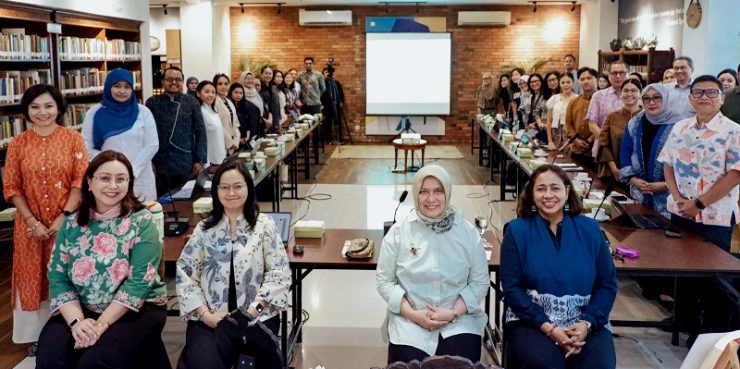

THE MINISTRY of Tourism is mapping out the potential and ecosystem of wellness tourism as part of a strategy to strengthen Indonesia’s tourism competitiveness in the global market while fostering the development of high-quality, sustainable tourism.
This effort is being pursued through collaboration with various stakeholders, including the Ministry of Health, the DKI Jakarta Provincial Health Agency, the DKI Jakarta Provincial Tourism and Creative Economy Agency, the Indonesian Spa Association (ASPI), the Indonesian Association of Beauty and Aesthetic Clinic Operators (PRASTIKA), the Indonesian Fitness Center Entrepreneurs Association (PPPKI), the Bali Spa & Wellness Association (BSWA), and wellness tourism business operators.
According to Rizki Handayani, Acting Deputy for Tourism Industry and Investment at the Ministry of Tourism, while opening the Coordination Meeting and Identification of Opportunities for Indonesian Wellness Tourism Development at the Alex Tilaar Learning Room in Jakarta on Thursday (09/3), 2026 said the wellness industry continues to grow and holds significant potential to become a key strength of Indonesian tourism.
“Consequently, the Ministry has designated wellness tourism as a flagship program to support the development of quality tourism. However, its development requires an ecosystem built comprehensively and in an integrated manner, involving a wide range of stakeholders. We observe that this ecosystem has not yet been established on a broad scale,” said Rizki.
As an initial step, the Ministry is compiling a catalog of Indonesian wellness businesses, which will subsequently be integrated into the “Indonesia Travel” database. This catalog is expected to enable tourists to easily and accurately access information regarding wellness products and services across various regions.
The compilation of this catalog also serves as part of the effort to map Indonesia’s wellness tourism potential—encompassing products, services, and business operators—that can be developed into integral parts of the tourist travel experience.
“Therefore, we look forward to the support and commitment of all business players to actively participate in every stage of this program. We also request your cooperation in providing the necessary data, information, and access throughout the processes of mapping, field surveys, catalog compilation, and the execution of business matching events,” said Rizki.
Rizki explained that synergy among ministries, local governments, associations, and business players is key to building a robust wellness tourism business ecosystem. This collaboration is expected to strengthen Indonesia’s position as a destination for high-quality, sustainable tourism.
The development of wellness tourism aims not only to tap into Indonesia’s existing potential but also to build wellness businesses that are integrated, high-quality, and sustainable, while embodying a distinctively Indonesian character.
In addition to compiling a catalog, the Ministry of Tourism will partner with stakeholders in the hotel and travel sectors, as well as exhibition and MICE (Meetings, Incentives, Conferences, and Exhibitions) associations, to strengthen the wellness tourism ecosystem from upstream to downstream.
This cross-sector collaboration is expected to link wellness products and services with the broader tourism industry, allowing them to be packaged into travel experiences that offer added value for tourists.
“Wellness is a tourism product that offers enlightenment to travelers. When they return from Indonesia, they feel enlightened after undergoing therapies or experiencing Indonesia’s natural beauty,” said Rizki.
Indonesia’s wealth of natural resources, culture, and wellness traditions—flourishing across various regions—serves as a vital asset for creating unique wellness experiences and enhancing the differentiation of Indonesia’s tourism products. [traveltext.id]